

25 December 2025
 Resource Center
Getting quick dental help when you're in need protects your teeth, stops serious infections, or keeps small issues from turning expensive - yet trying home tricks usually takes too long and might make things worse. Here’s a clear plan backed by dentists and science: know when to reach an emergency dentist, act fast in the moment, but skip risky DIY methods you find online.
What Counts as a Dental Emergency vs. Urgent Dental Care?
- Dental emergencies might put your life at risk - so you need care fast to stop bleeding, handle serious infections, OR deal with injuries that could block breathing.
- Emergency dental issues require fast help to ease intense pain, handle possible infections, or prevent tooth loss - so people don’t end up in ERs when a dentist’s office can deal with it.
- Signs of serious trouble: heavy bleeding you can't stop; swelling near the mouth that blocks breath; broken bones in the face messing with airflow.
- Severe tooth pain caused by nerve swelling counts as an emergency. A swollen area around a tooth due to infection needs quick attention. Broken teeth that hurt are also urgent cases. If a tooth gets pushed out of place or falls out completely, act fast. Pain after a tooth removal - especially if there’s exposed bone - is another red flag. When a temporary cap comes off or irritates the gums, it should be fixed right away.
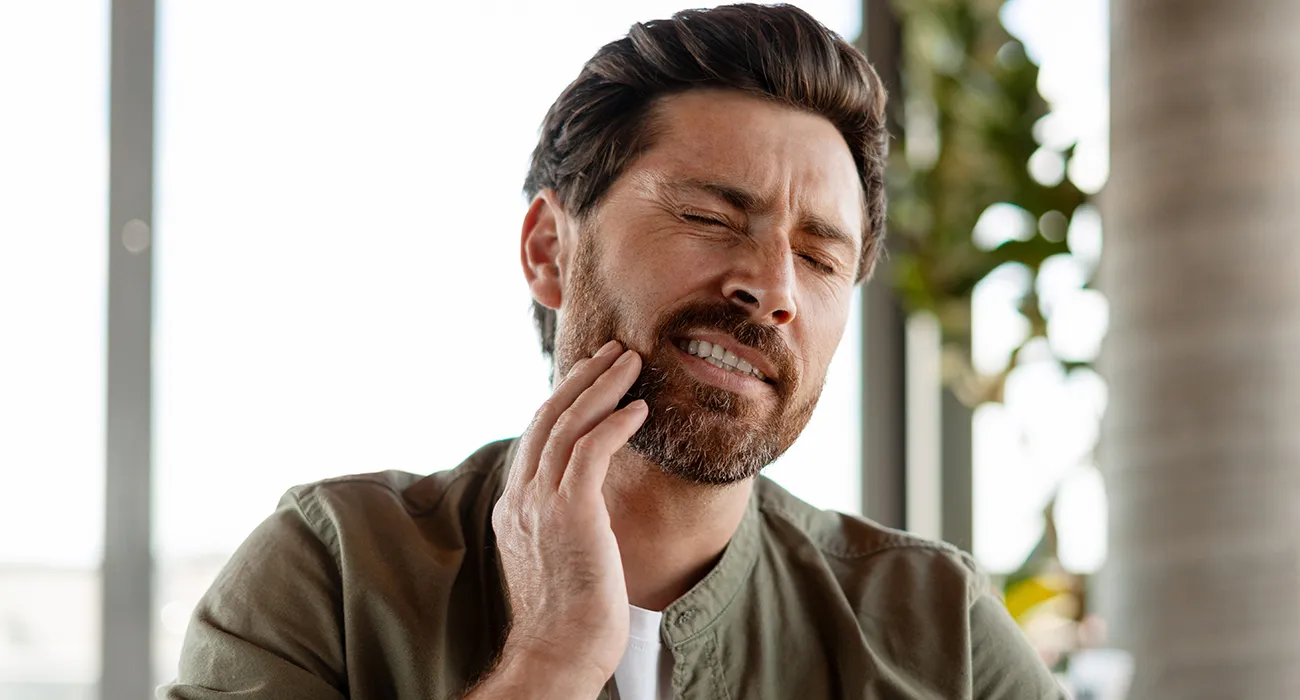
Red-Flag Symptoms: Call an Emergency Dentist 24/7 or Seek Emergency Dental Services
- A throbbing tooth pain that won't quit - especially when it messes up your sleep or doesn’t get better with common painkillers - could mean a serious infection or pus build up, so seeing a dentist fast is key.
- Faces or throats showing redness might mean swelling, high temperature, shakes, or sudden worsening of discomfort from an infection. Tooth troubles could spread into deeper parts of the neck or throughout the body, so spotting them fast is crucial - quick care helps avoid serious risks.
- Bleeding from the mouth after an injury or tooth removal needs quick action.
- Knocked-out or loose teeth need quick care - getting help fast might save the tooth.
- A broken jaw - or any hint of face bone damage - calls for quick check-up right away.
What To Do Right Now for Common Dental Emergencies
- If a permanent tooth gets knocked out, make sure it stays wet. Try slipping it back into place carefully - don’t touch the root - or use milk as backup storage while heading straight to an emergency dental clinic.
- Chipped or broken tooth? Swish warm water around to clear out gunk - don’t bite down hard on that area. Get to a dentist ASAP so things don’t get worse or turn infected.
- Pus pocket or puffiness nearby? Skip trying to pop it - apply a chilly pack outside instead. Head straight to your dentist without delay.
- Dry socket causes intense pain a few days post-extraction - it needs professional treatment plus fresh dressings each visit; skip home remedies if stronger meds are needed, unless checked by a dentist first.
- If a temporary crown or bridge comes off, it can irritate your mouth - fast reattachment might be needed so the tooth and gums stay safe.
Why “DIY Dentistry” Is Risky
- Household glues - like super glue - are risky for fixing teeth, caps, or false teeth. These adhesives may irritate your eyes, skin, or mouth lining. They might trigger skin rashes or breathing issues over time. Some emit toxic stuff that harms mouth tissue. As they harden, they also give off heat which can injure nearby cells.
- Patients shouldn't fix their dentures using store-bought bike glue - research summaries plus safety alerts warn against DIY repairs because of poison danger and harm to mouth tissues.
- Some cases show bad results when people use "Krazy Glue" on teeth - this shows why seeing a dentist beats trying quick fixes at home.
- Misusing antibiotics or pain relievers at home might hide warning signs even as an infection grows. Research-backed advice says root-related discomfort needs proper dental care instead of routine antibiotic use. Doctors should only prescribe these meds when clear signs point to widespread issues.
When an Emergency Dentist Is Preferable to the ER
- Most dental crises work out better at a night clinic or urgent dentist - these spots handle real treatments like root fixes, pulling teeth, draining infections, or stabilizing loose ones. Regular ERs usually can't do those things.
- Head straight to the ER when your airway’s at risk - think major face swelling creeping into the neck. Or if you’ve got a sky-high fever along with signs of body-wide illness. Also go if there's been facial injury that messes with breathing.
- ADA advice supports trying things out with patience - so dentists can focus on readiness while giving quick care that eases pressure on emergency rooms.
Safe, Short-Term At-Home Measures (Before Urgent Care)
- Pain relief: try OTC meds for a few days while waiting to see a dentist - but never put aspirin directly on gums or teeth since it could cause tissue damage.
- Brush your teeth softly near that spot. Floss carefully there too. Use warm salty water to rinse - it helps ease discomfort, yet won't clear an infection.
- Shielding: when a jagged tooth corner slices your cheek or tongue, dental wax - never adhesive - offers short-term padding before you see a dentist urgently.
- Keep a knocked-out tooth wet - use milk or tuck it beside your cheek if okay. Skip handling the root. Get help fast. The longer you wait, because chances drop off quick.
Evidence-Based Care vs. Myths
- Some think pills cure bad teeth. Truth is, you need real dental work - like draining gunk, fixing roots, or pulling the tooth - to truly fix it. Medicines help only if there's fever, swelling, or certain conditions show up.
- Myth: “You can use super glue to fix a tooth fast.” Truth: Regular kinds might burn your gums, leak nasty chemicals, or harm mouth tissue - doctors don’t okay them for fixing teeth inside the mouth.
- Just because it’s not painful doesn’t mean things are okay. When tooth nerves settle, they might flare up again - stronger than before. Put off seeing a dentist? A small infection could sneak further in. Silence on the surface may hide damage growing underneath.
How Emergency Dental Services Triage and Treat
- Emergency dental care helps ease tooth pain, lowers risk of infections, plus protects teeth when possible - using minor fixes that hold up well over time.
- Take a pulpotomy if the pulp’s inflamed - common fix. Trimming near boilers happens alongside draining built-up fluid. Reshaping helps restore teeth that got too short over time. Dentists block bleeding mid-procedure so work stays clean. Tissue regrowth covers exposed dentin spots, healing naturally.
- Practice needs around an hour to get ready for emergencies. When instructions come through, tackle big issues fast - call support without delay.
Bottom Line: Emergency Dentist, Not DIY
- Get quick help from a dentist if you have intense pain, swollen gums, an injury, bleeding that won't stop, a tooth knocked out or shifted, empty socket discomfort, or sharp bone pain - seeing someone fast can lead to better results while avoiding further issues.
- Steer clear of homemade solutions like regular glue or taking antibiotics without advice - these might damage skin, hide deeper issues, or slow proper care.
- Keep a knocked-out tooth wet using safe temporary methods, cover jagged parts with dental wax while heading to urgent dental care, also ease discomfort with suitable over-the-counter pain relief.
- If you have life-threatening symptoms like trouble breathing or fast-spreading swelling - also a high fever with feeling really sick - get medical help right away, then set up quick dental treatment.