
01 January 2026
 Resource Center
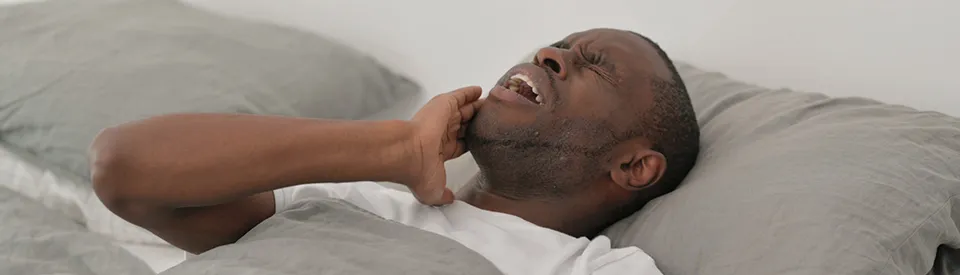
Nighttime dental pain isn’t just inconvenient—it’s a clinical clue. Think of it as a warning sign. When hurt gets worse once the lights go out, you might’ve got swelling inside the tooth, pus pushing through gum tissue, or stress from nighttime grinding that weakens an already shaky molar. Figuring out what triggers these late-night flares, knowing which signs mean trouble, then deciding if it’s time for urgent care - this stuff matters. Skip delays, dodge bigger issues, maybe even get some rest again.
Why Toothaches Feel Worse at Night
Lying down boosts blood flow plus raises fluid pressure around your head and neck, making tooth nerve swelling worse - turning a small pain into a pounding one. When there are less things going on, your brain pays closer attention to discomfort, so it seems stronger and lasts longer. At night, jaw clenching or teeth grinding without knowing it piles force onto damaged teeth, strained tissues, and jaw joints, irritating them further. Breathing through the mouth or certain meds can leave you with a dry mouth after dark, cutting back saliva's natural shield, leaving bare tooth areas and sore gums more reactive.
The Most Common Causes
Deep decay and irreversible pulpitis: Germs bother the tooth’s inner part, bringing lasting pain outta nowhere - heat or cold makes it worse, also when you lie flat.
Dental abscess: A sore near the tooth or gum causes steady ache, puffiness, hurts when chewing - also might bring sour mouth or warm body.

Cracked tooth syndrome: Tiny splits bend when pressure’s applied, leading to sudden pain once you stop chewing or if things get hot or cold - usually worse after dark.
Post-extraction dry socket: sharp ache starts 2 to 4 days later if the clot slips out, leaving bone bare.
Erupting/impacted wisdom teeth: sharp ache starts 2 to 4 days later if the clot slips out, leaving bone bare.
Periodontal flare-up: A gum infection - or maybe an abscess - brings throbbing pain along with swollen spots nearby.
Sinus-related pain: maxillary pressure might feel like aching back teeth, especially lying down.
Bruxism/TMJ disorders: can cause sore muscles plus pressure around the head, often messing up your rest.
When It’s a Dental Emergency
Get checked right away - fast - if you notice any of these signs popping up
- Swelling that moves fast through the face, jaw, or neck.
- Fever, plus a general feeling of being unwell, or trouble getting food down - could mean the infection's moving through the body.
- Sharp, constant toothache keeping you awake - won't go away even with regular painkillers.
- Trauma where a tooth is fractured, moved out of place, or completely torn out.
- Flooding gums once you've had work done at the dentist. OR even if you got smacked in the mouth.
- Watch for trouble breathing, drooling, or a hoarse-sounding voice. If these show up, call emergency help right away.
Smart, Safe Steps to Get Through the Night
- Elevate your head using two or three cushions when you sleep - this helps ease pressure inside the tooth.
- Cool it down, skip the warmth - use an ice pack on your cheek for short bursts every so often to calm swelling. If there’s a possible infection, stay away from hot treatments.
- Rinse lightly: try warm salty water to soothe sore spots - just skip messing with clots once teeth are out.
- Careful yet soft cleaning - use floss to remove stuck bits; scrub gently so things don't flare up.
- Use common sense with pain relief: stick to the recommended dose of store-bought meds. Instead of putting aspirin on your gum, which can burn the tissue, swallow it properly.
- Cover any jagged spot or cracked molar using dental wax - it works like a quick shield for tender spots.
- Drink water now and then - try xylitol gum or lozenges without sugar if your mouth feels dry, since they help make more spit.
Avoid common mistakes:
- Never take old meds or borrow someone's antibiotics - they might hide signs but won't fix the problem, also boosting superbugs.
- Fixing it yourself with regular glue? Bad idea - glue might hurt your skin or make proper treatment harder. Try using something else instead of risking more harm.
What an Emergency Dentist Will Do
A quick check - using exams and specific scans - tells if pain comes from nerve irritation, pus pockets, splits in the tooth, gum issues, or sinus trouble. The main goal is real relief, not just hiding discomfort. If it’s nerve swelling, root canal work might start right away; for a built-up abscess, a small cut drains the fluid; when a tooth can’t be saved, pulling it out makes sense. For empty sockets, medicine-packed pads help heal; loose crowns or fillings get reattached or swapped. Bite tweaks plus temporary fixes protect split teeth. Drugs are used carefully - only what's needed for pain or infection. After that, there’s a clear next step: finishing root treatments, adding final caps, cleaning gums deeper, or removing wisdom molars.

How to Prepare for a Same-Day or Next-Morning Visit
- Keep an eye on how it goes: when the ache starts, what brings it on - like heat, cold, sugar, or biting down - how long it lasts, also things that make it better or worse.
- Write down meds and allergic reactions - mention any pills used during the night for discomfort or trouble resting.
- Carry your latest dental records - things like fresh fillings, caps, tooth removals, or injuries help narrow down causes.
- Sort out travel plans - use a ride if your face is puffed up, you're hurting, or feeling drowsy from meds.
Preventing Nighttime Toothaches Going Forward
- Act early: Sensitivity that lingers beyond a minute after cold or heat is a warning—don’t wait for a 2 a.m. crisis.
- Nightguard therapy: A custom guard protects against cracks, enamel wear, and TMJ overload from bruxism.
- Support saliva: Review medications with a clinician, hydrate, and use saliva substitutes if needed.
- Regular maintenance: Routine exams and cleanings detect cracks, leaking restorations, and decay before they escalate.
- Diet hygiene: Avoid late-night sugary or acidic snacks that linger in grooves and between teeth.
Quick Reference: When to Call After Hours
- Severe pain is preventing sleep despite labeled analgesics.
- Face puffiness, sore gums - maybe a temperature or trouble gulping down food.
- Knocked out, shattered - or shifted - teeth due to injury.
- Prolonged oozing once the treatment’s done.
- If you're worried about breathing or the air passage - get urgent help right away.
Nighttime toothache means your body’s asking for help. Propping up your head, trying gentle home fixes, or calling a nearby clinic can turn panic into progress - getting quick care stops small troubles turning serious. When warning signs pop up, reach out to a night-ready dentist or head straight to an after-hours clinic without delay.